Practicing Effectively and Keeping the Process Fresh & Fun
by Hayes Greenfield
Date Posted: June 16, 2016
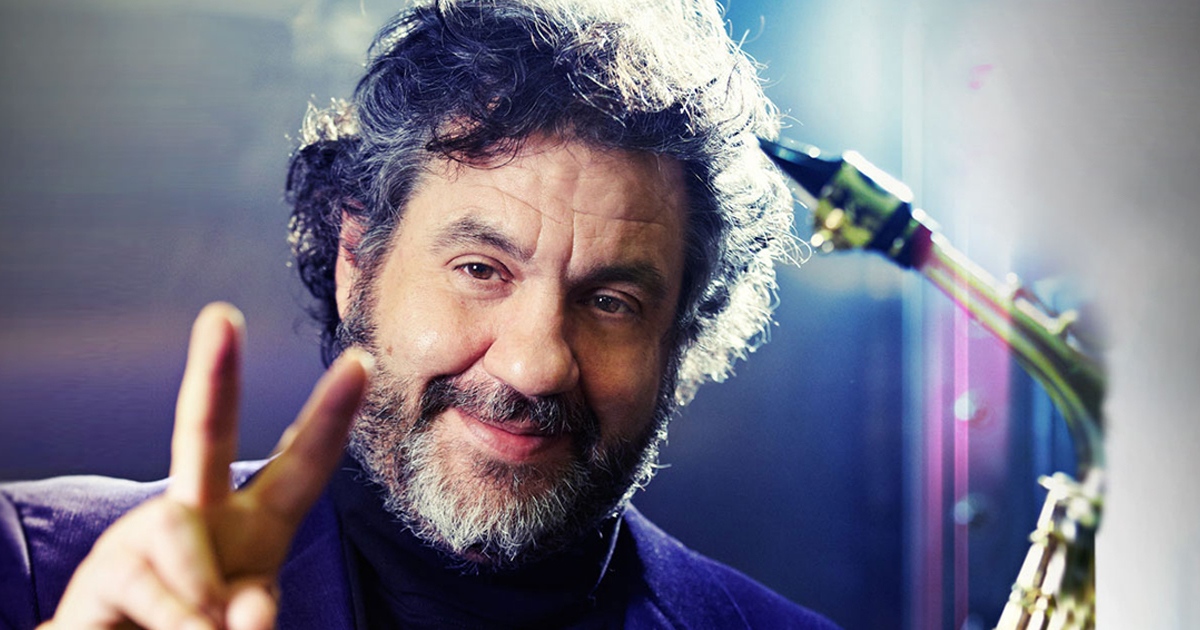
I find that making sound and practicing is not only a joyful experience, but it also orders my life, calms me down, and continually inspires and challenges me to strive to make music to the best of my ability.
From age 18 to 21 I mostly played free music all the while studying technique—scales, arpeggios, and etudes, and playing the horn properly by producing a full-bodied and rich sound. It wasn’t until I moved to New York at 21 that I began to focus my daily routine on the traditional language of bebop and mainstream jazz. At 22 I became aware that my free playing was only as good as my inside playing, and since I didn’t know the language of jazz well enough to play a concise solo let alone a blues, I clearly needed to do some serious shedding.
I was ready to bear down and do the hard work necessary to get to the next level. At this point I became a madman and began transcribing solos, playing flute as a double, and studying the piano. I discovered that the only way to reap the rewards that music has to offer is through mindful, thoughtful, and deliberate practice.
Practicing Effectively
The best way to optimize one's time for practicing is to:
Make the PROCESS FUN and UTILIZE the time set aside for PRACTICING in the MOST
EFFECTIVE way possible.
How to Do This?
- Good light
- Comfortable stool or seat
- Music stand
- Metronome
- Practice Diary
- Blank Manuscript Book
First, decide how many days a week and how much time per day you can spend practicing. Be flexible. Depending on the day, it may be a little more or a little less, but do your best to remain consistent! CONSISTENCY is the KEY! If you plan on practicing every day of the week, feel free to give yourself one day off. Our brains are like muscles and need rest time to digest the material, just as in sports.
Now that you know how much time you can spend at each practice session, divide it into equal parts. For example, if you only have an hour then divide it into three blocks of 20 minutes or four blocks of 15 minutes. We will call these Time Blocks, and they can be somewhat fluid.
Now look at your Practice Diary. On the left are columns that outline the different categories or types of material that you may want to practice. DO NOT BE OVERWHELMED!!! No one expects you to practice it all in one week. THIS IS A LIFETIME’S WORTH OF MATERIAL!
Listed in the vertical column are these basic categories:
Warm Up
Sound
Etudes
Arpeggios
Intervals
Scales
Rhythm, Time, & Odd Meter
Lines in 12 Keys
Tunes in 12 Keys
Chord Progressions in 12 Keys
Sight Reading
Repertoire
Transcribing
Improvise
Composing
Listening
ALWAYS USE your Practice Diary and mark everything down:
- What you practiced
- How long you practiced it for
- At what metronome marking you practiced it at
As you practice that material over the coming days and weeks, increase the metronome markings in small increments. Remember, mastery comes from doing it slowly at first, with control, then speeding it up slowly. It is all about focus, being deliberate, and mindful-repetition.
LASTLY, at the end of each practice session LEAVE AT LEAST 5 MINUTES TO FREELY IMPROVISE!
For me, this was the icing on the cake. It made my practice fun and gave me something to look forward to. If you happen to play a line that you love, write it down in your Manuscript Book.
Using Your Blank Manuscript Book
Use your Manuscript Book to write down improvised lines that you like, and/or any other lines or exercises that you enjoy playing. You may discover inventive exercises that help you to play certain material better. This book will serve as your reference book as well as possible inspiration for compositions or exercises
"I discovered that the only way to reap the rewards that music has to offer is through mindful, thoughtful, and deliberate practice." - Hayes Greenfield
KEEPING Practicing FRESH & FUN
This is strictly up to you and requires absolute honesty with yourself. MUSIC NEVER LIES and WHAT YOU PUT IN, YOU GET OUT!
Keeping practicing fresh and fun is about allowing yourself to feel your own inspiration.
One day you may prefer to work on Scales first, and the next day, last. This is why writing down and keeping a record of what you practice is important. You decide. You might be totally inspired by what you are practicing one day, become lost in it, and the time that you have allotted for that category is up. Is it okay to continue or move on? This is when you must listen to yourself, and feel free to stay with the inspiration and not move to another category. Forget about the Time Blocks for that day and go with the inspiration. But write it down in your diary. That way you know when you come back to it the next day you may choose to only quickly review it, concentrate on it again, or move on to something else. Focus, diligence, thoroughness, mastering small increments at a time, and listening is how we make the process of practicing fun, fresh, and rewarding. It is also how we master the most amount of material most efficiently in the least amount of time.
Then, all of a sudden, sometime when we are playing, there is nothing more wonderful than a blast of newness in our playing that we hear for the first time, making our ears and hearts soar. In that one moment, we know all of our effort has been for good reason and there is no better payoff than that. Of course, though, within a couple of days the voices in our heads kick in, we get bored with our new achievement, and realize that it’s back to practicing again. Ah, the joys and pain of creating music and art—what a glorious process!
About Hayes Greenfield
Hayes has been living, working, and performing as both sideman, session player and leader with his own bands in New York City. He has earned awards in all of his endeavors, has released 10 critically acclaimed CD's under his own name, and traveled throughout the US, Canada, and Europe performing at international festivals, concerts, and clubs with his own bands. Notable jazz artists Hayes has worked with as leader and / or sideman include: Jaki Byard, Rashied Ali, Paul Bley, Richie Havens, Danny “Big Black” Ray, Adam Nussbaum, Jay Anderson, Hiram Bullock, Barry Altschul, Bob Cranshaw, Dave Liebman, Bob Stewart, Mike Clark, Vincent Chancy, Jorge Sylvester, Billy Byers, Tony Scott, Joe Lee Wilson, Dean Johnson, David Berkman, Victor Jones, Tony Reedus, Tom Harrell, Ray Drummond, Norman Simmons, Paul Socolow, Leroy Williams, Frank Lacey, Leonard Gaskin, Jerome Harris, Denis Charles, Bill Ware, Frank Kimbrough, Uri Caine, Victor Jones, Roger Rosenberg, Myles Griffith, Tony Moreno, Rob Garcia, Dave Hofstra, Sunny Jain and many others.